Direct involvement
You brief one team, once. The people who hear your problem are the people who design and build the answer, so nothing gets lost in a handover and decisions get made fast.
About Control Shift
Control Shift is a Hobart software studio. When you work with us, the people shaping your product are the people writing the code, so nothing gets lost in translation and you always get a straight answer.
Meet the founder
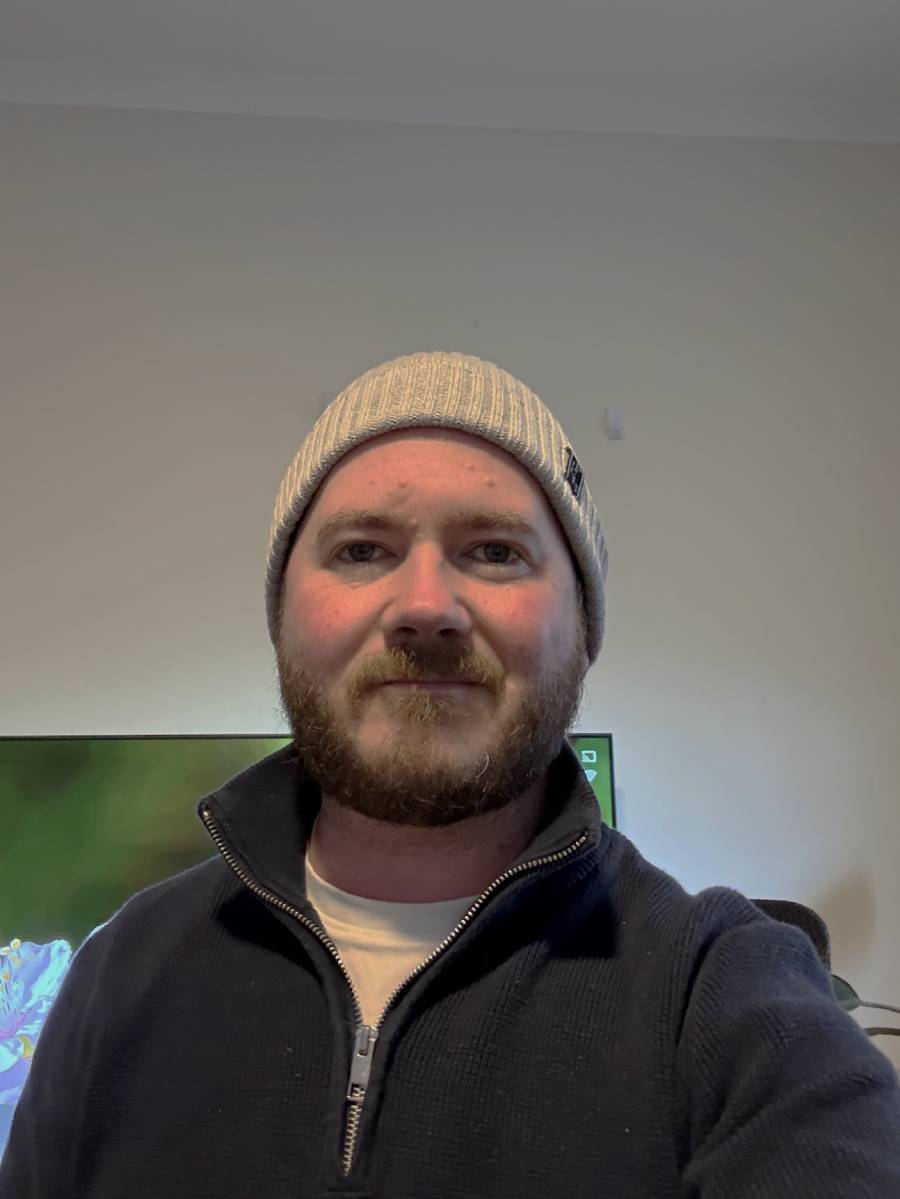
Dominic Duke
Founder · Software engineer
Control Shift is led by Dominic Duke, a software engineer who has spent more than a decade building software and helping people make sense of technical decisions.
While still completing a software degree, Dominic was hired by the University of Tasmania to run software tutorials, a teaching role that continued for several years and helped hundreds of students build confidence with complex technical ideas.
Since then, Dominic has worked in industry and independently across products and operational systems, and stays personally involved in the thinking, technical decisions and development behind every Control Shift project.
Software changes quickly. We enjoy staying current, but experience helps us judge which ideas are useful and which will only add complexity.
What that means for clients
You brief one team, once. The people who hear your problem are the people who design and build the answer, so nothing gets lost in a handover and decisions get made fast.
You see the important screens and interactions early, while changing them is still cheap. Technical trade-offs get explained in plain language, so you make real decisions instead of rubber-stamping ours.
The small things are why people love using software: clear language, sensible defaults, useful feedback and graceful handling when something goes wrong. Your users notice.
Security, maintainable code and clear documentation come standard. The software should be dependable on day one and still cheap to change in year three.
How a project runs
We start with how things work today, who is involved and what the software needs to do.
We work through the structure and key interactions early, so you can test the direction before development goes too far.
You see the software as it takes shape. Regular reviews keep the work practical and on track.
We prepare the software for use, support the release and help decide what to improve next.
Tell us what you're working on. Plain language, no obligation, and a straight recommendation at the end of it.
Start your project